Why a Drain Inspection Camera Is a Must-Have for Property Owners
When a pipe blockage strikes, most people reach for a plunger or a bottle of chemical cleaner. That might clear a minor sink backup, but it does nothing for the deeper problems lurking underground. Over the years I have seen countless cases where a homeowner or business owner spent hours trying to fix a drainage issue by feel, only to discover later that the real trouble was a collapsed pipe or a root mass they never could have reached. That is where a drain inspection camera changes everything.
A drain inspection camera is essentially a waterproof, high-resolution camera mounted on a flexible cable that snakes through your property drainage system. It sends live video back to a screen, so you can see exactly what is happening inside the pipe. For anyone responsible for maintaining a home, a rental property, or a commercial building, this tool turns guesswork into certainty. It saves money, prevents unnecessary digging, and helps you make informed decisions about drain cleaning and repairs.
How a Drain Inspection Camera Works
The basic setup is straightforward. A camera head, often with built-in LED lights, attaches to a push rod or a self-leveling cable. You feed it into a manhole access point or through a cleanout opening. As it moves through the pipe, the operator watches a monitor for signs of trouble. The camera can record the footage, mark distances, and even detect pipe depth and inclination.
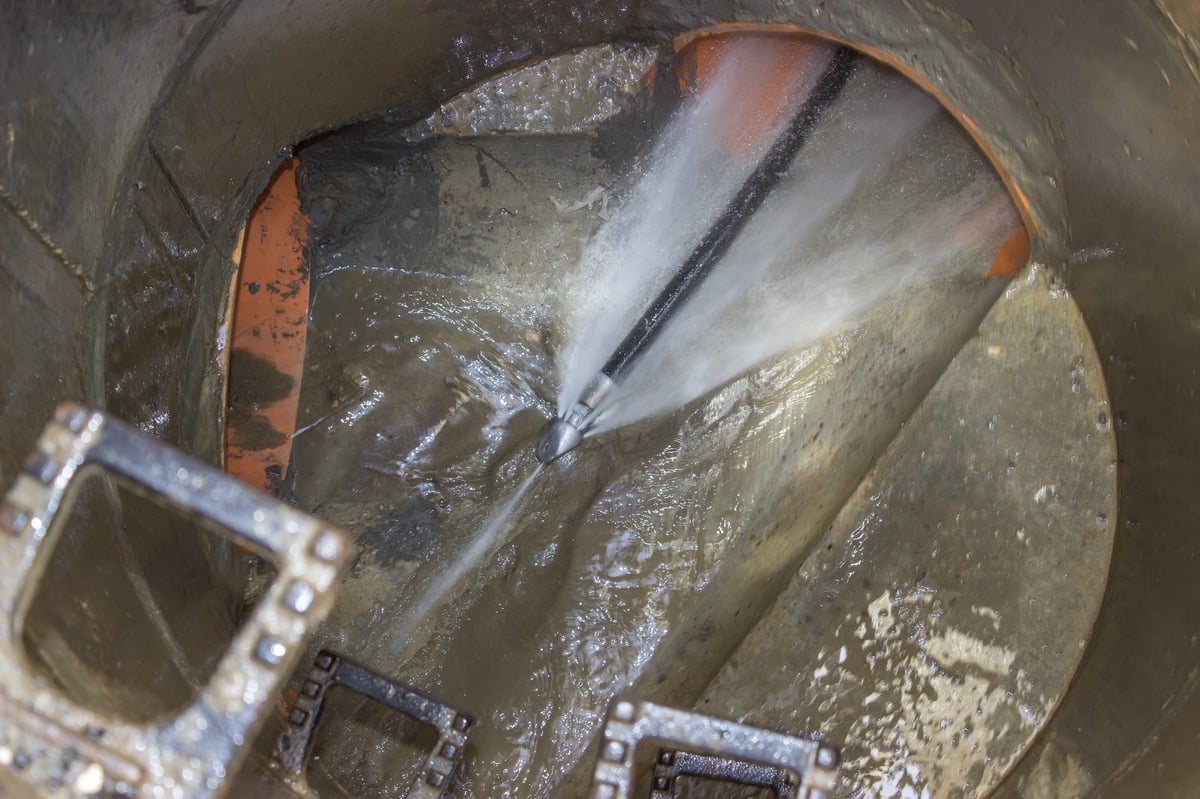
Professional units, like a rigid drain camera, are built to handle standing water, grease, and debris. They are designed for the kind of underground pipe assessment that requires pushing through tight bends and slippery sediment. Cheaper endoscopes from hardware stores sometimes work for exposed plumbing, but they rarely stand up to the conditions inside a buried drain. That is why most Essex drainage services and London drainage companies rely on robust equipment that can handle real-world blockages.
Why You Should Not Rely on Guesswork
I once worked with a landlord who had a persistent blockage in a rental property. He had tried drain rods, then a water jetter, and even poured acid down the pipe. Nothing worked for more than a few weeks. When we ran a CCTV drain survey, we found a section of clay pipe that had cracked and shifted, creating a shelf where debris collected. The drain rods had been pushing past the break without clearing it, and the water jetter just washed more material into the gap. A simple drain inspection camera revealed the problem in minutes. The repair cost a fraction of what he had spent on repeated drain unblocking attempts.
Without a camera, you are working blind. Even a professional with decades of experience can misjudge the location or nature of a pipe blockage. Water might drain slowly after a jetting session, but that temporary improvement can hide a deeper failure. Remote inspection gives you the full picture, so you can decide whether you need drain cleaning nozzles to scour the pipe walls, a root cutter, or a full excavation.
Common Situations That Call for a Camera Survey
There are several scenarios where a camera inspection is the smart first step, not a last resort:
- Recurring blockages in the same spot, despite repeated clearing attempts.
- Slow drainage after heavy rain, which might indicate a collapsed section or a root intrusion.
- Buying or selling a property, where an underground pipe assessment can reveal hidden defects before they become expensive surprises.
- After a sewer inspection by local authorities, when you need to confirm the condition of your private lateral drain.
- Planning a renovation or extension that involves changes to the drainage layout.
In each case, a drain inspection camera provides evidence. You get a video record that shows the exact condition of the pipe, the location of any cracks or blockages, and the best method for clearing or repairing it. That record is useful for insurance claims, contractor bids, and peace of mind.
The Tools That Complement a Camera
A camera alone does not fix a blockage, but it tells you which tool to use. If the problem is soft grease or soap scum, a water jetter with the right drain cleaning nozzles can blast it away. For solid obstructions like tree roots or scale, you might need a mechanical cutter or a high-pressure jetter with a root-cutting attachment. Drain rods are still useful for pushing through simple clogs, but they are far more effective when you know exactly where the blockage is.
Drain tracing equipment also helps when you need to map an older system. Cast iron, clay, and plastic pipes all behave differently. A camera can confirm the pipe material and joint type, which matters when you are choosing repair methods or replacement materials. In some older homes, the drains may have been modified over the years, and a camera survey reveals those changes without digging up the garden.
When to Call a Professional
Renting or buying a drain inspection camera is becoming more common for DIY enthusiasts, but there are limits to what a consumer model can do. Professional units offer better resolution, longer cables, and the ability to navigate complex pipe networks. They also come with experienced operators who know how to interpret what the camera shows. A cracked pipe might look like a minor defect on screen, but an experienced eye can judge whether it is stable or likely to collapse soon.
For properties within the M25 drainage coverage area, many service providers offer a camera survey as part of a standard drain unblocking callout. They often include the video footage in the report, so you have a clear record of the condition before and after the work. Some companies also offer a no callout charge policy, which makes it easier to get a professional opinion without committing to expensive repairs upfront.
I have seen homeowners save thousands by paying for a single camera survey rather than throwing money at repeated drain cleaning visits that never addressed the root cause. The upfront cost of a survey is small compared to the expense of excavating the wrong section of pipe or replacing a drain that could have been repaired.
What to Look for in a Service Provider
If you decide to hire a professional, ask about their equipment. Do they use a modern CCTV drain survey system with a self-leveling camera head? Can they provide a digital copy of the footage? How deep can their camera reach? Some companies use a rigid drain camera that works well in straight runs but struggles with multiple bends. Others use a flexible push camera that can navigate tighter turns but may not produce as clear an image in dirty water.
Also ask about their experience with different types of pipe blockage. A company that deals mainly with residential drains might not be the best choice for a commercial kitchen with heavy grease loads. Look for a provider that offers a full range of services, from drain maintenance to emergency drain unblocking, so you can rely on them for both diagnosis and repair.
Final Thoughts
A drain inspection camera is not a luxury. It is a practical tool that saves time, money, and frustration. Whether you are dealing with a slow drain in your own home or managing a portfolio of rental properties, the ability to see inside your pipes is invaluable. It turns a vague problem into a clear diagnosis and points you toward the right solution.
Next time you face a blocked pipe diagnosis, ask yourself if you really know what is happening down there. If the answer is no, a camera survey is the best money you will spend all year. It is the difference between guessing and knowing, and in drainage work, knowledge is everything.